Bridging Code and Craft Across Generations

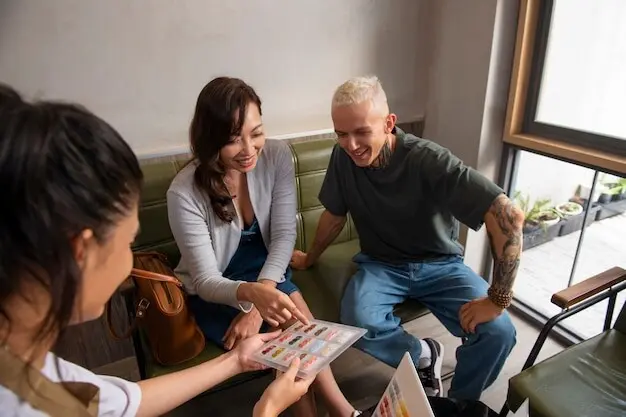
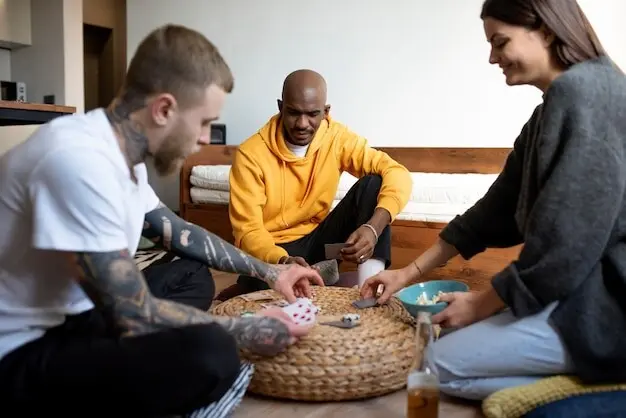
Today we explore makerspace collaborations linking youth coders with elder artisans, tracing how shared tables turn algorithms into heirlooms and patterns into programs. Expect practical setups, respectful co-creation rituals, and touching moments where patience meets curiosity. Together we will gather methods, stories, and prompts you can use this week to invite real intergenerational making.

Shared Workbenches, Shared Wisdom

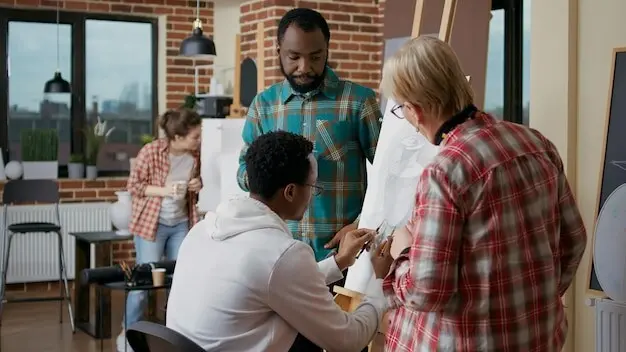
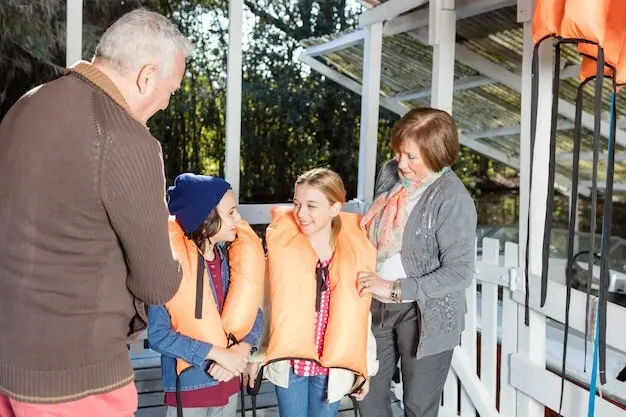
Within welcoming workshops, generations trade approaches without surrendering identity. Coders bring debugging habits and playful prototyping; artisans contribute material intuition, rhythm, and durable standards learned from long apprenticeships. The room becomes a commons where respect is practiced through careful listening, clear safety rituals, and celebrations of small, shared breakthroughs.
Watching a teen map a blacksmith’s hammer cadence into sensor data is mesmerizing. Loops and thresholds echo the shop’s beat, and suddenly code listens like an apprentice. The elder smiles, because the screen finally reflects heat, weight, and timing rather than just numbers.
Pairing begins with tea, stories, and names of tools pronounced slowly and proudly. Bugs still matter, yet first there is context: why this joint resists, which fiber swells, when rain ruins patience. Listening prevents premature fixes, aligning solutions with lived practice and care.
A loom’s threading plan becomes a data structure; a dovetail layout turns into parametric constraints. The translation honors touch by preserving tolerances and tradition-specific quirks. Young makers learn that fidelity is ethical, not just technical, and documentation becomes a gratitude letter.

Designing Projects That Honor Craft and Code

Co-creation Charters and Gentle Timelines

Before the first line of code or cut of wood, the group writes promises: pace set by elders, credit shared prominently, and pauses for translation between jargon worlds. Gentle timelines allow weather, memory, and school calendars to breathe without derailing commitment.

Material Literacy Meets Computational Thinking

Wood grain, clay shrinkage, dye lots, and wool twist become companions to loops, recursion, and state. Material literacy reframes requirements: humidity sensors matter because green boards warp, and graceful error states matter because hands, eyes, and kilns fatigue differently each afternoon.

Rapid Prototypes, Patient Iterations

Start small with a jig that logs measurements, then stretch toward an adaptable tool the whole guild can test. Iterations slow when stories surface, because surprises reveal values. Patience ultimately accelerates adoption, as stakeholders recognize themselves inside the evolving interface and hardware.

Tools, Safety, and Accessibility for All Ages

Intergenerational work thrives when bodies feel safe, tools sing clearly, and screen glare never hides a spinning blade. Good layouts welcome walkers and wheelchairs, large-print labels, gentle lighting, and reachable emergency stops. Software choices matter too, privileging clarity over cleverness and calm over speed.
Storytelling That Preserves Heritage

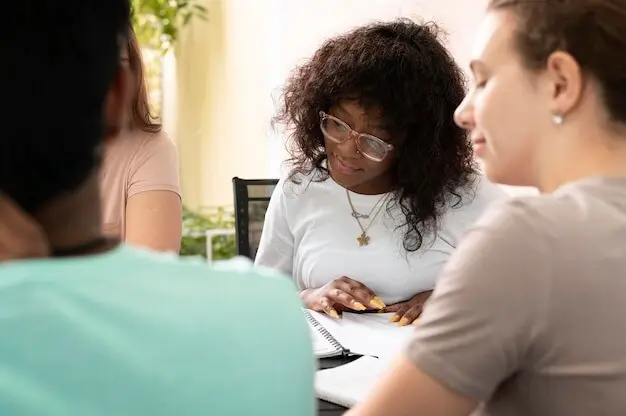
Craft lineages survive when stories move with the objects and the code. Interviews, sketches, and process photos sit beside repositories, giving credit and context. Instead of novelty, projects chase continuity, so grandchildren can understand not just how it works, but why it matters.
A simple guide suggests open questions, gentle pauses, and vocabulary that honors names elders prefer for their tools. Memory opens reliably when hands move, so microphones wait while fingers tie knots, sharpen blades, or twist wire, letting sequences surface without pressure or performance.
Captions include maker names, workshop locations, material sources, and customary blessings where appropriate. Licenses clarify stewardship rather than ownership. When code references an elder’s method, commits carry notes linking back, so respect persists across forks, exports, and inevitable change throughout seasons and tools.
Posters, zines, podcasts, and traveling kits broaden reach. A pattern library printed on fabric swatches lets hands learn away from screens, while QR codes return visitors to updates. Tangible artifacts sit with digital repositories, inviting communities to remix, repair, and retell together.

Learning Pathways and Mentorship Loops

Mentorship flows both directions when roles shift gracefully. A retired carpenter learns Git while a teen internalizes grain direction and patience with tear-out. Circles replace podiums, pairing questions with demonstrations. Progress is measured not by speed alone, but by trust, confidence, and shared laughter.

Community Impact and Sustainable Models

Makerspaces amplify neighborhoods when partnerships last beyond a single showcase night. Co-ops, libraries, and schools share rooms, mailing lists, and repair days. Financial models respect elder time with stipends, while youth receive transit passes and snacks, because nourishment and logistics quietly determine who returns.

Get Involved and Keep the Conversation Moving

Your workshop, library, or classroom can host the next gentle collision of code and craft. Start a potluck, reserve a quiet corner, and invite one elder who loves teaching. We will share starter prompts, safety checklists, and simple projects you can run next month.
Vexovirovaro
Privacy Overview

This website uses cookies so that we can provide you with the best user experience possible. Cookie information is stored in your browser and performs functions such as recognising you when you return to our website and helping our team to understand which sections of the website you find most interesting and useful.